Client: City of Calgary

Location: Alberta, Canada

Project Value: $224m (CAD)

Description: Specialist microtunnelling and associated major civil works for Stage A of the Bearspaw South Feedermain Replacement Project in Calgary, Alberta, Canada.

The project was initiated to urgently reinforce Calgary’s drinking-water system by delivering a new parallel Feedermain to replace the existing Bearspaw South Feedermain over time.

The existing main is a highest-consequence potable-water transmission asset, conveying water from the Bearspaw Water Treatment Plant toward Shaganappi Pump Station and capable of carrying approximately 60% of Calgary’s potable-water supply to around 1.2 million residents. Its urgency increased following major failures of the 1950s-era PCCP asset, including the June 2024 failure and a further rupture on 30 December 2025, which reinforced the need to retire a critical single-point-of-failure risk.

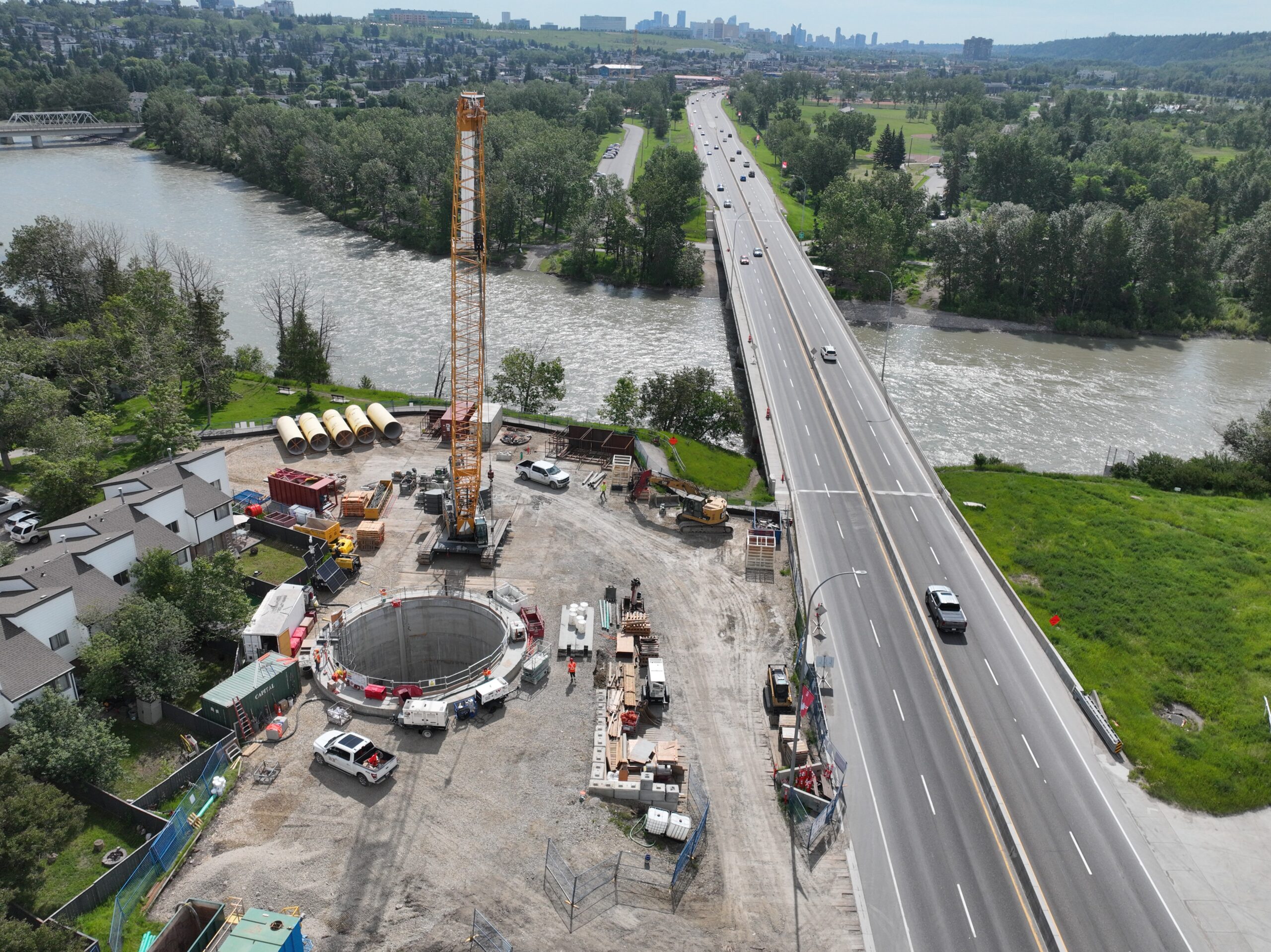
The works were therefore required to improve system reliability, reduce the risk of future feeder-main issues or failures, and bring the new infrastructure into service on an emergency-replacement programme while protecting major transport corridors, the Bow River corridor, urban communities, public access and live water-supply operations.
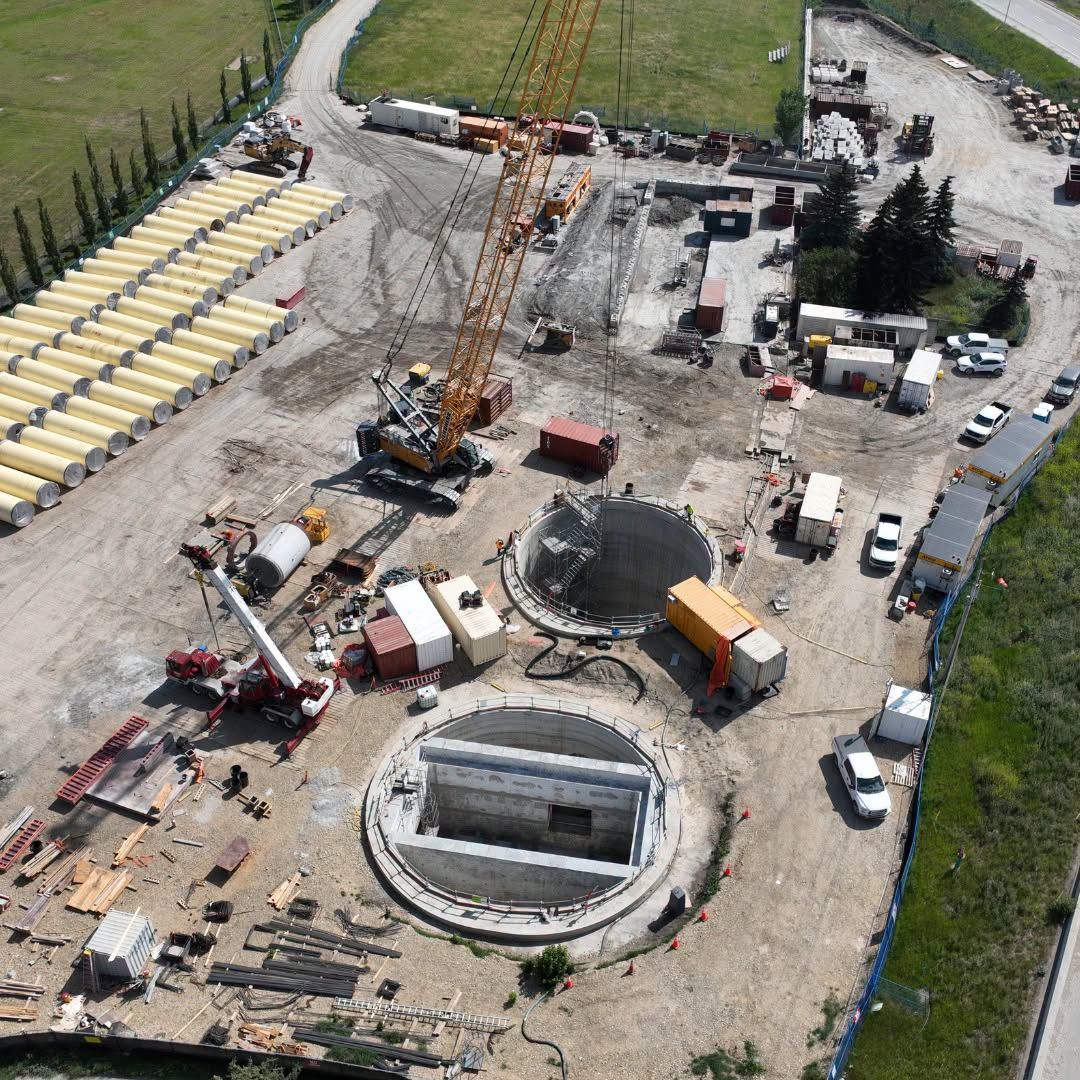
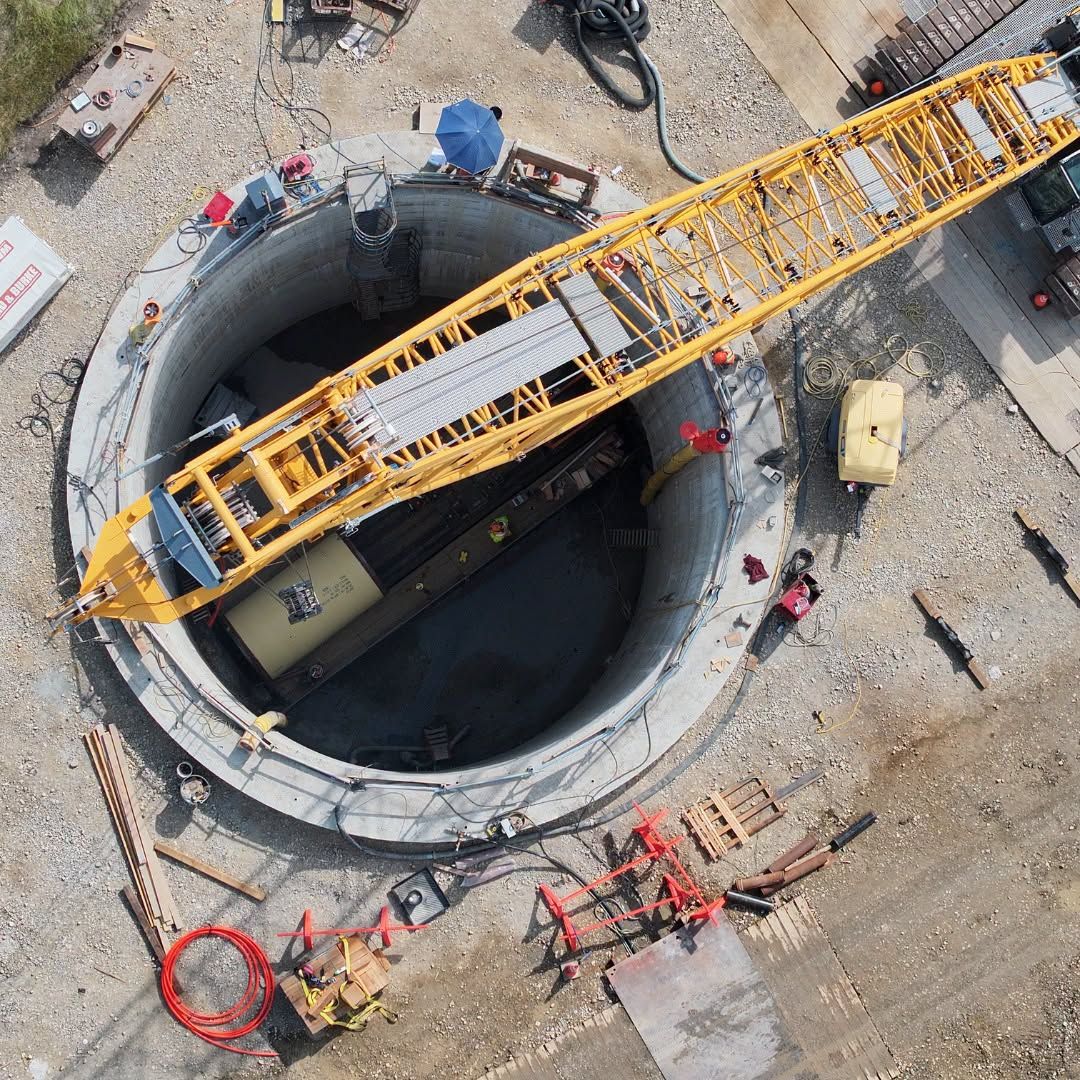
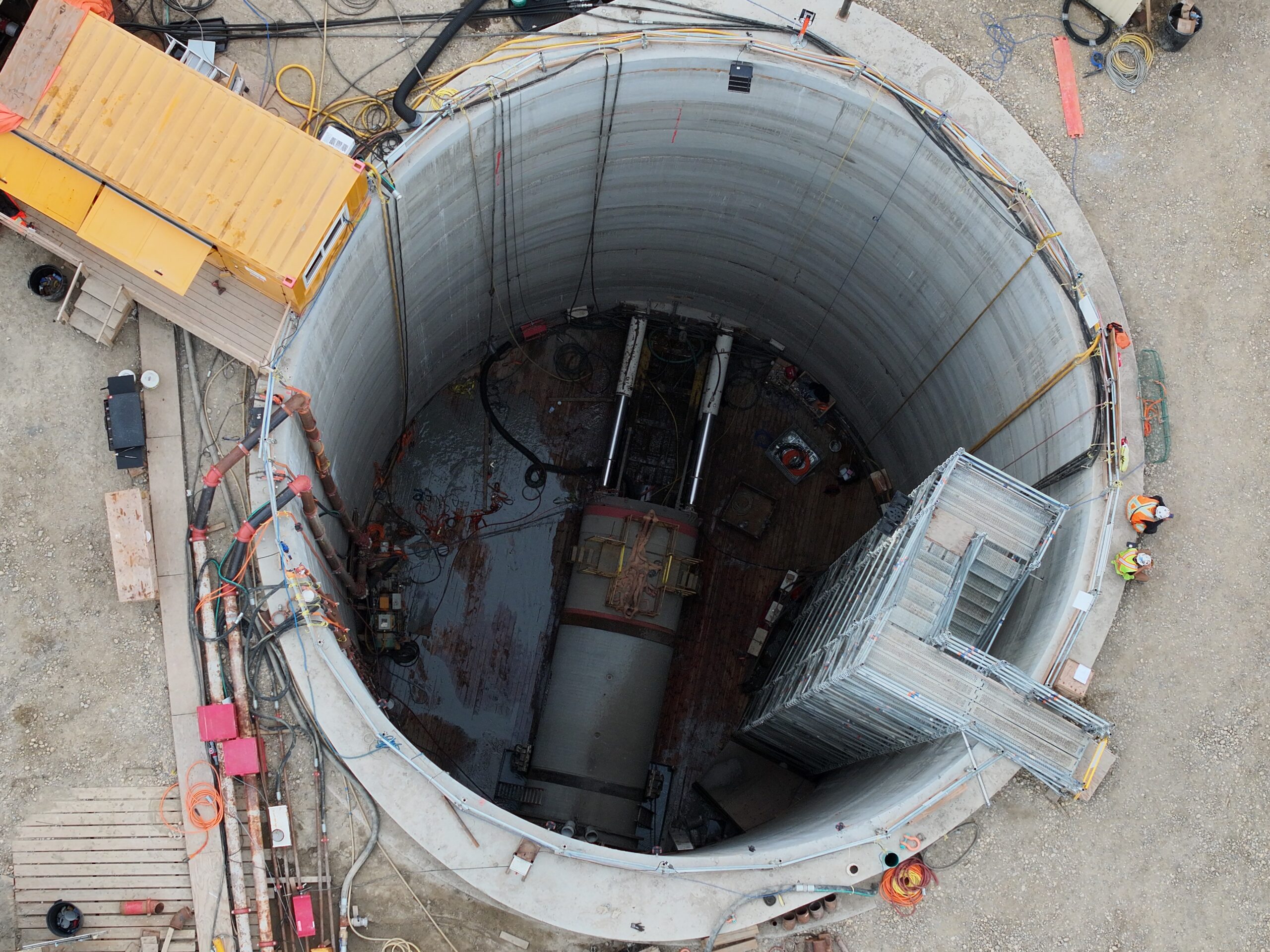
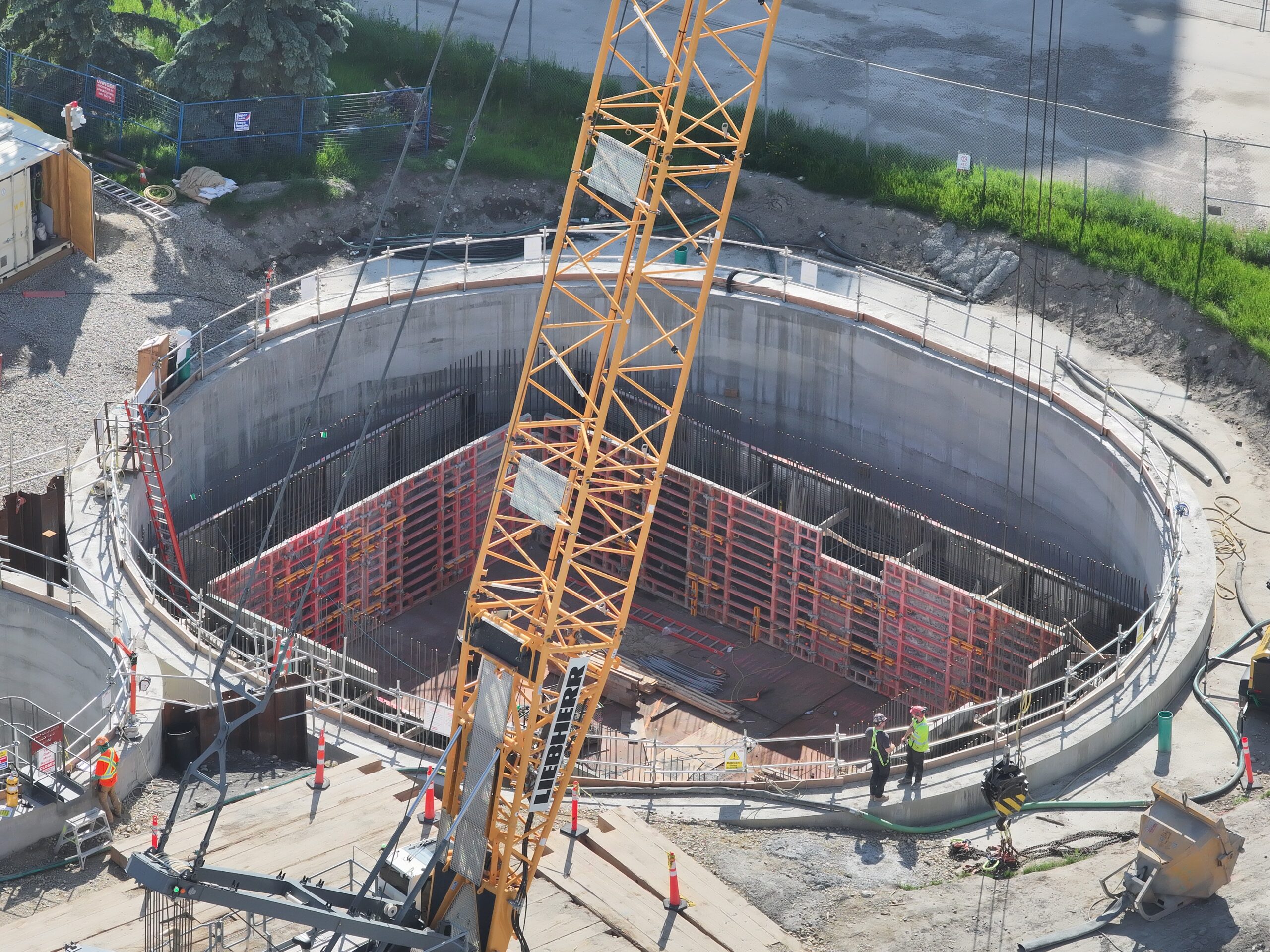
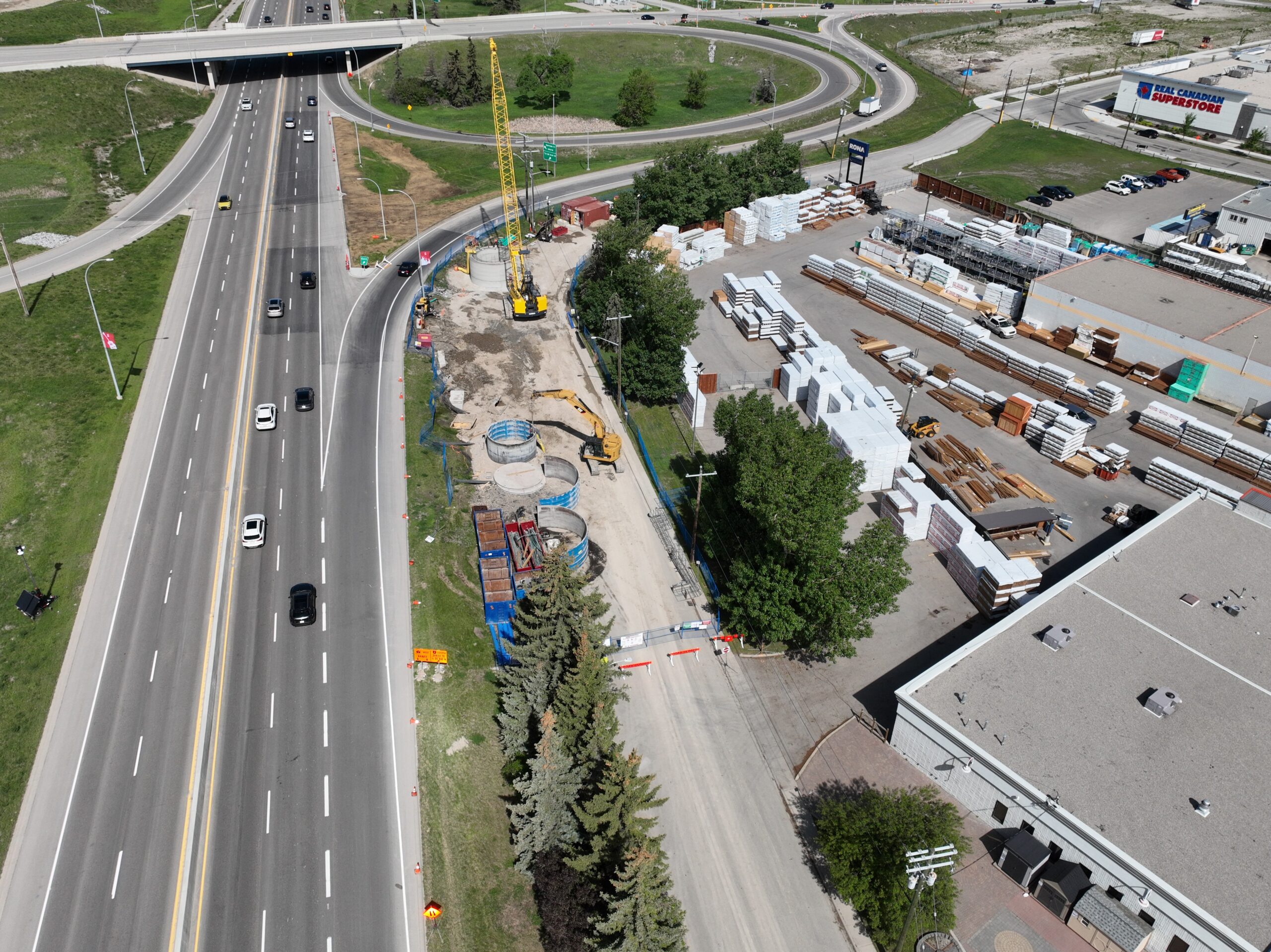
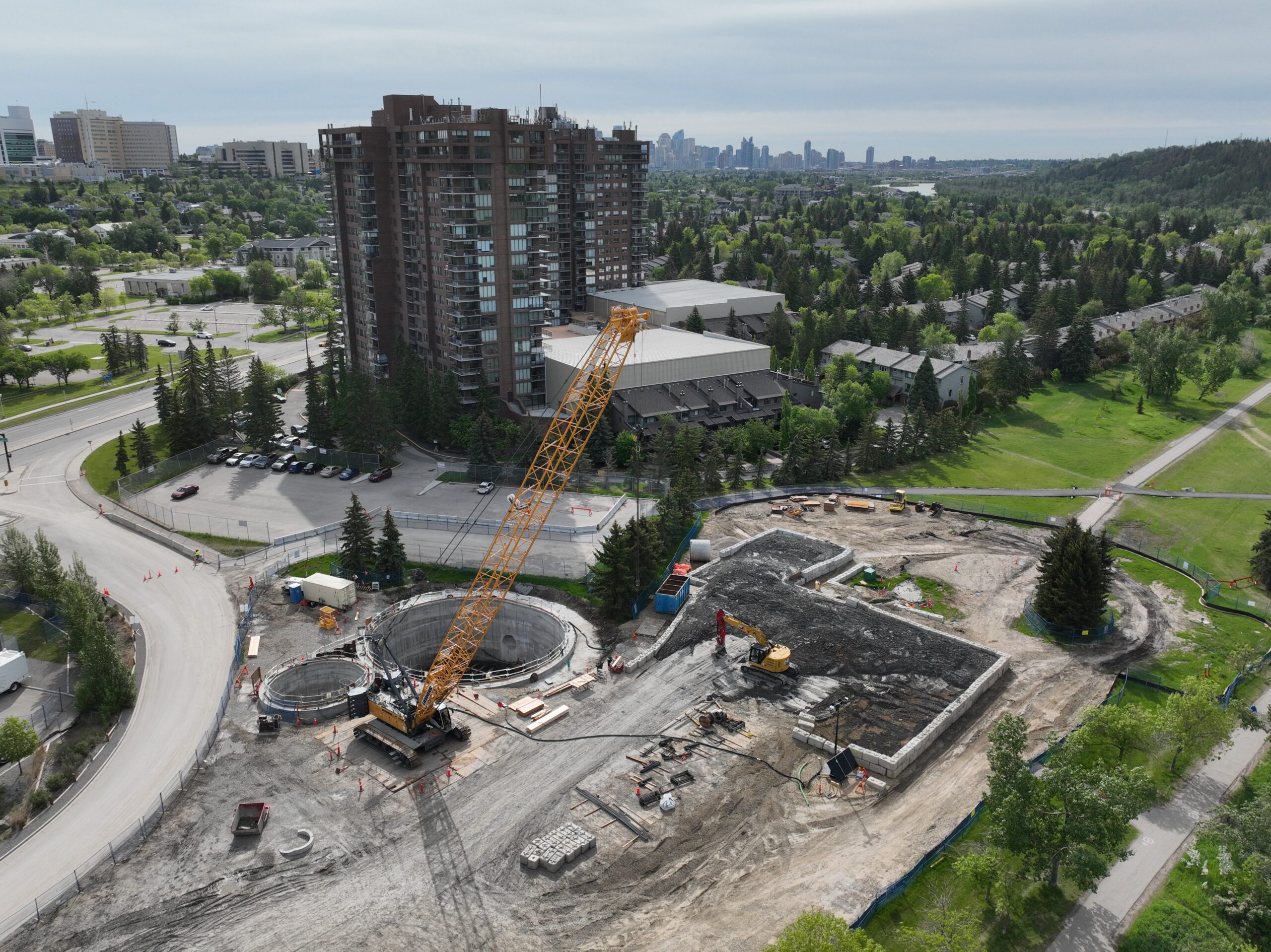
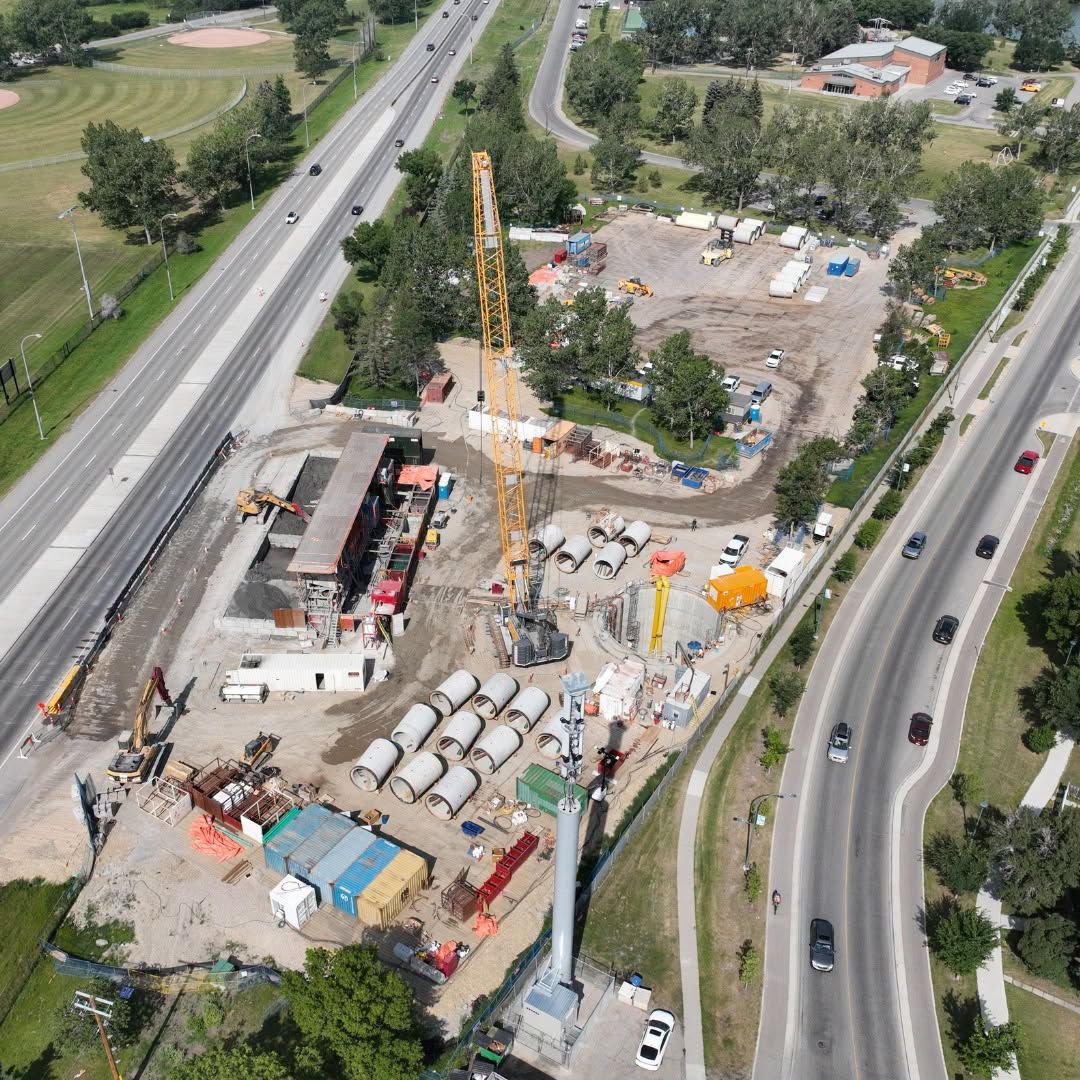
The replacement pipeline had to be delivered at pace while the existing Feedermain remained a critical live asset. The alignment required deep shafts, long tunnel drives, groundwater control, coordination across multiple work compounds and careful management of interfaces with the public realm.

Ward & Burke developed detailed construction planning, temporary-works solutions, shaft and tunnelling sequencing, constructability reviews and engineering coordination to support an accelerated trenchless solution through complex urban, river, rail and highway interfaces.

Key design optimisations included raising selected sections of the tunnel alignment to reduce shaft depths while maintaining clearance from the existing Feedermain and keeping the alignment within bedrock. At West Sarcee, this reduced the shaft depth from approximately 38m to 28m.

Ward & Burke also introduced an intermediate shaft on the 1.4km Shouldice Park to Edworthy Park drive, converting one long sequential drive into two parallel tunnelling workfronts.

The originally proposed 2,500mm internal-diameter casing was reduced across much of the alignment to 2,286mm internal diameter, while retaining 2,500mm casing for the approximately 1.1km drive. This reduced excavation volumes, spoil handling and trucking requirements, eased loading on slurry and separation systems, and increased flexibility in MTBM selection.

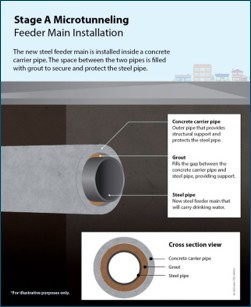
Integrated design and construction centred on constructing the reinforced-concrete carrier pipe first and installing the steel Feedermain as a second pass. The approach separated critical tunnelling, pipe installation and chamber works so that activities could progress concurrently across multiple work fronts.

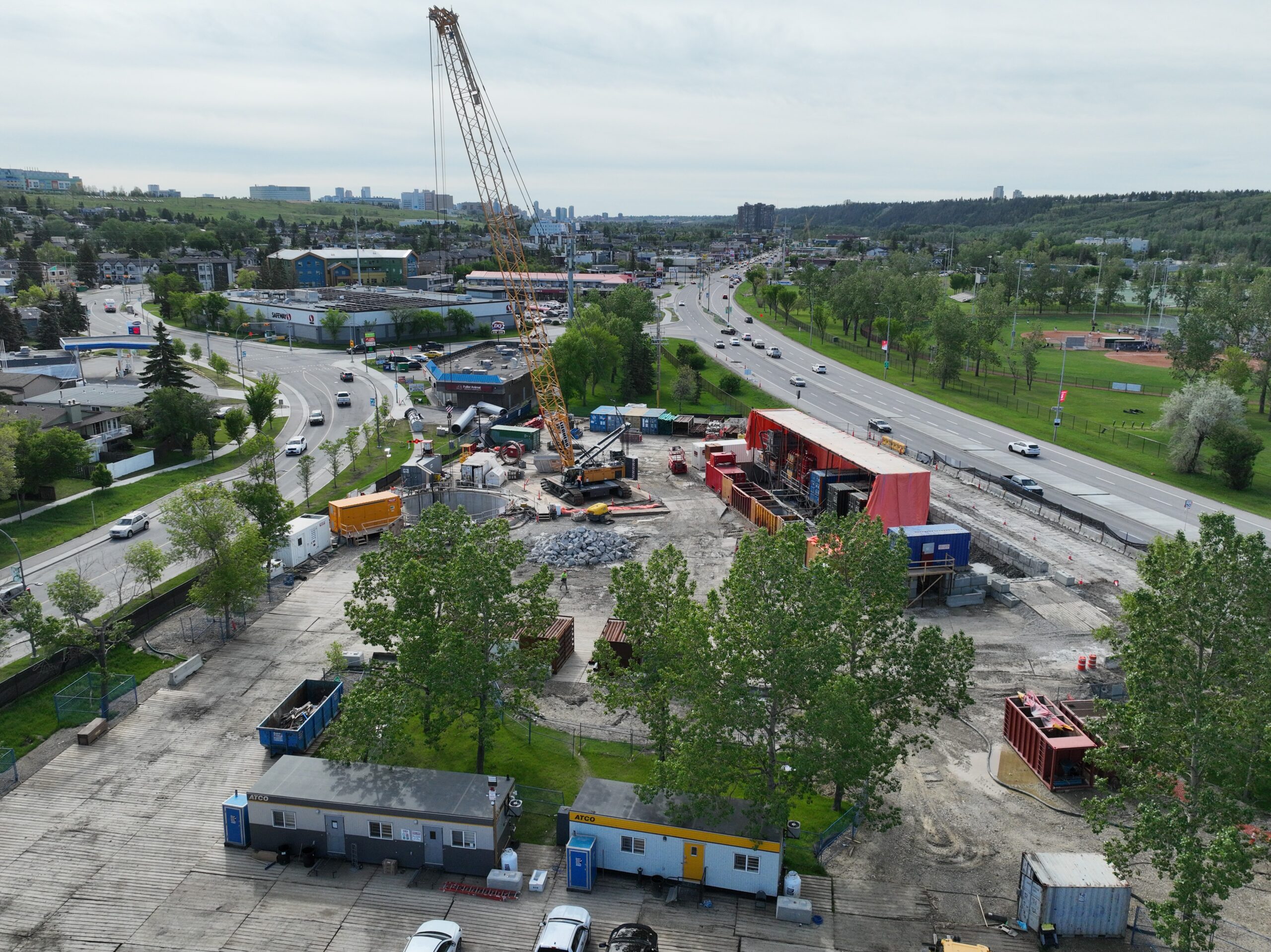
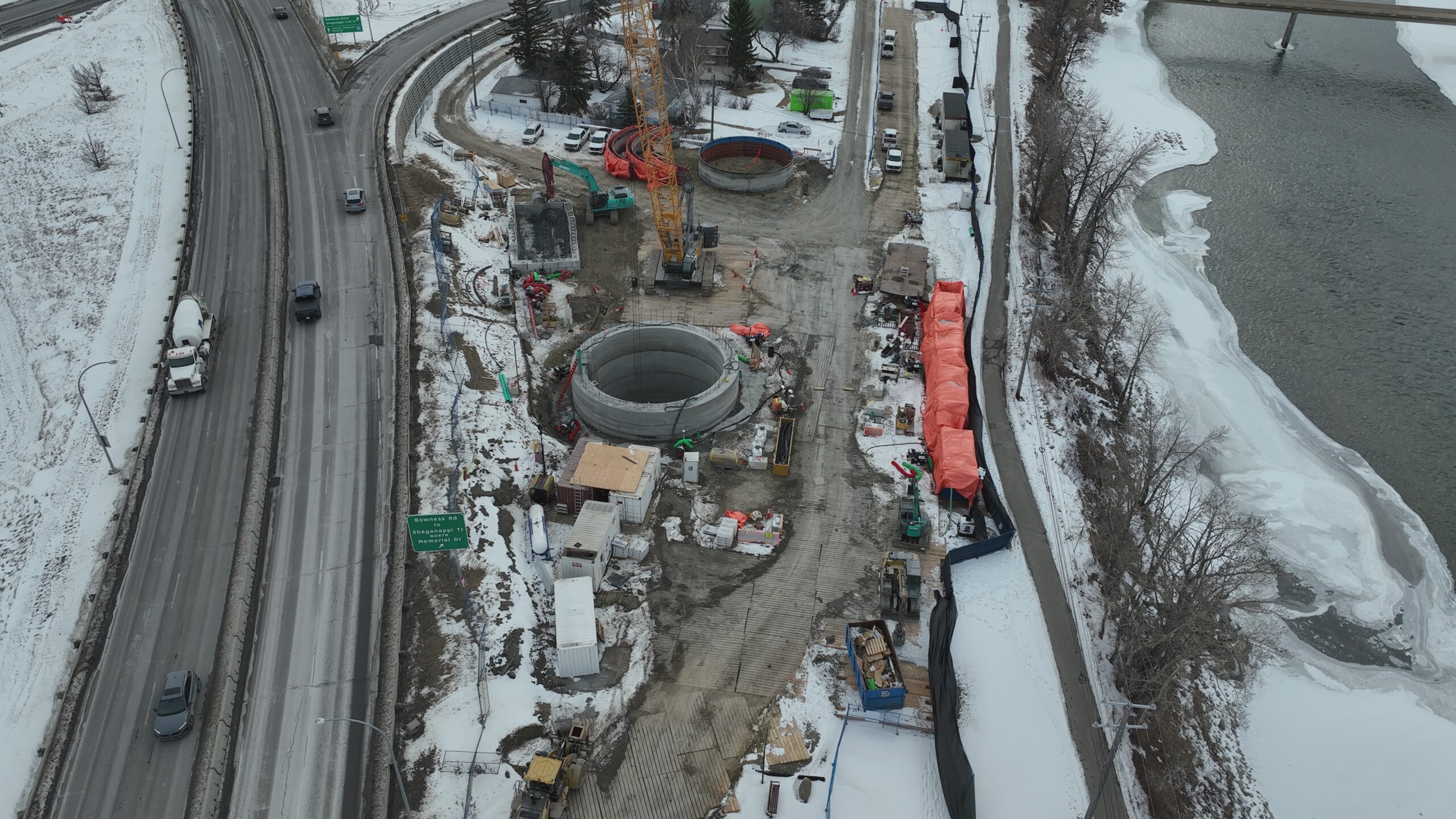
Construction sequencing and operational continuity were managed through parallel site establishment at West Sarcee, Shouldice Park, Edworthy Park and Shaganappi, deployment of multiple MTBM spreads, staged steel-pipe installation, and coordinated Q4 2026 tie-in and commissioning windows.

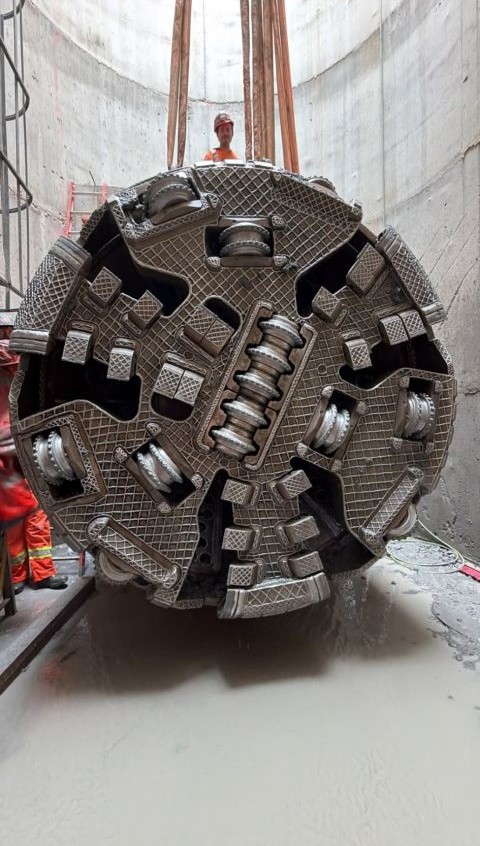
Within one week of award, Ward & Burke allocated four complete microtunnelling setups and crews to the project: three active tunnelling crews and a fourth complete setup held on standby. The tunnelling fleet included Herrenknecht AVN2500, AVN2200 and AVN2100 machines, with a second AVN2200 maintained as contingency capacity. On the longest and largest-diameter 2,500mm ID drive, Ward & Burke introduced a second crew and 24-hour operation to manage increased jacking forces after shutdowns and protect the critical path.

Technical Feature

The defining technical feature is the two-pass microtunnel installation – large-diameter reinforced-concrete jacking pipes form the structural carrier tunnel, after which the 1,956mm diameter steel product pipe is installed within a 2,500mm diameter sleeve.

Steel pipe sections are lowered into the shafts, transported through the casing on low-profile pipe carriers, aligned through the curved tunnel, joined using full-penetration butt welds, inspected and grouted into position.

The project provides a strong legacy for future large-diameter trenchless water infrastructure by demonstrating how early contractor involvement, robust temporary works, multi-shaft sequencing and a controlled second-pass steel-liner installation methodology can reduce risk on complex urban transmission schemes. Lessons learned from shaft delivery, carrier-pipe jacking, steel liner handling, welding, grouting and commissioning interfaces will be captured through close-out reviews and transferred into Ward & Burke’s microtunnelling procedures, visual method statements and future project planning.